
Preparing for your baby’s arrival comes with plenty of exciting purchases – from choosing a stroller to finally having an excuse to pick up some of those impossibly cute baby outfits. But when it comes to buying a car seat, the excitement tends to fade.
We get it. Car seat laws, safety regulations, and technical jargon can feel overwhelming. Terms like i-Size, R129, and ISOFIX aren’t exactly as oxytocin-inducing as a bunny-shaped nightlight or those teeny-weeny baby socks.
But don’t worry – we’re here to break it all down and help you make sense of European child seat laws. Having a good grasp of the key terms and regulations doesn’t just make car seat shopping easier but… dare we say it? It might even be fun.
Not only will you enjoy the peace of mind that comes with choosing the safest option for your child, but since you’ll need a follow-up seat as your little one grows, this knowledge will serve you well for years to come.
Let’s dive in and turn car seat shopping into a confident, exciting step toward your child’s safety and comfort. After all, a good car seat is the key to countless family adventures to come!
How long does my child need a child car seat?
According to EU child restraint law, all children up to 1.35 meters tall must travel in an appropriate child seat. However, regulations differ and some countries, including Germany, Italy, and Poland, have adopted stricter rules requiring child seats until 150 cm for under 12-year-olds. Always check your local regulations.
Why car seat regulations matter?
Car seats are more than just baby products; they’re crucial safety devices designed to protect your little one in the event of an accident. Children’s body proportions are different from adults’, which is why they need extra protection to support them. Safety regulations assure a minimum quality standard for every product and help parents make an informed decision. In Europe, all child seats must meet the safety standards set by UN-ECE, specifically Regulation No 129. Understanding what it means will help you pick the right seat and use it correctly.
What is ECE R129 and why is it important?
ECE R129 is the latest European safety regulation for children’s car seats. First introduced in 2013, it was rolled out in phases–the latest revision (R129/04) came into effect in June 2024. It’s designed to improve protection in both frontal and side-impact collisions and reduce the risk of misuse. Here are some key updates of ECE R129 you should know:
Height-based classification
Car seats are now classified based on your child’s height, with an additional weight limit. When choosing a car seat, always use your child’s height as the primary guide! Their age should only serve as a further reference.
Wondering what else to look out for when buying a child seat? Check out our top top tips for choosing a child seat.
 Rear-facing until at least 15 months
Under R129, children must travel rear-facing until they are at least 15 months old. However, we strongly recommend keeping your child rear-facing up to 4 years of age. This position offers significantly better protection for your child’s head, neck, and spine — some of the most vulnerable areas in young children, especially during frontal collisions.
Curious why rear-facing is safer? Read our previous blog post to find out why rear-facing seats are safer.
Side-impact testing
In addition to front and rear-impact testing, R129 requires side-impact testing — adding an extra layer of protection in real-life crash scenarios.
Introduction of i-Size
‘i-Size’ seats are part of the R129 regulation and focus on easier installation and better compatibility with your vehicle. They are always ISOFIX-compatible and designed to reduce misuse, making it easier to ensure your child is secured correctly. (You can find more details below.)
Can I still use my ECE R44 child seat?
We don’t recommend continuing to use a child seat certified under ECE R44, the older European safety standard that classifies seats by weight groups. While it is still legal to use an existing R44 seat within its valid period, these models are outdated, and safety testing has become significantly stricter under the newer R129 standard. Since 1 September 2021, no new R44 seats have been type-approved, and from 1 September 2024, R44 seats can no longer be sold in the EU.
How Do I Know If a Seat Is Approved?
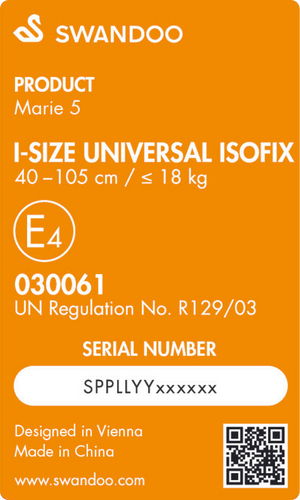
Every approved car seat in Europe comes with an orange label confirming that it meets ECE R129 standards. When shopping for a new seat, look for a sticker just like this and check that it complies with the latest safety regulations.
What is i-Size?
i-Size is a type-approval category within the ECE R129 regulation that ensures car seats are compatible with i-Size-approved seating positions in vehicles. A key feature of i-Size seats is the ISOFIX system, which provides a more secure attachment and helps reduce the risk of incorrect installation.
This means that if both your car and the seat are labeled ‘i-Size’, they’re guaranteed to fit.
Just keep in mind, while all i-Size seats are R129 approved, not all R129 seats are i-Size.
What is ISOFIX?
ISOFIX is an installation system that allows you to securely attach a car seat directly to your vehicle without using seat belts. The seat’s ISOFIX connectors (either built in or part of a separate base) lock onto anchorage points integrated into the car, creating a solid and stable connection. While ISOFIX isn’t a regulation itself, it has become standard in most modern vehicles and is strongly encouraged under the ECE R129 standard for added safety.
How do I know if my car (seat) is i-Size compatible?
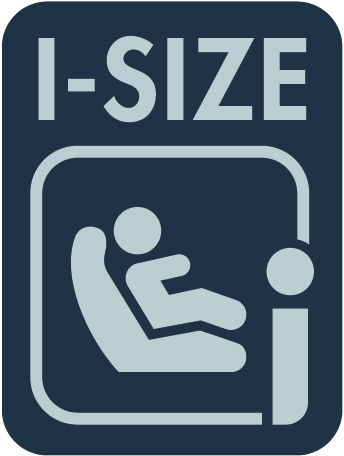
Look for the i-Size logo on your child seat and in your vehicle’s user manual. Some cars also mark compatible ISOFIX points with the i-Size symbol. If both your car and child seat display the logo, you’re ready to go!
If your car or child seat are not i-Size compatible, always check the compatibility list or contact the child seat manufacturer directly to make sure the seat can be installed safely.
In a Nutshell:
📏 ECE R129 is the latest European safety regulation that all child car seats must comply with.
🚗 i-Size is a category within R129 that ensures car seats are compatible with i-Size-approved vehicle seating positions and always use ISOFIX.
🔗 ISOFIX is an installation system that allows for easy and secure attachment of the car seat to the vehicle, reducing the risk of incorrect installation.
Testing beyond R129
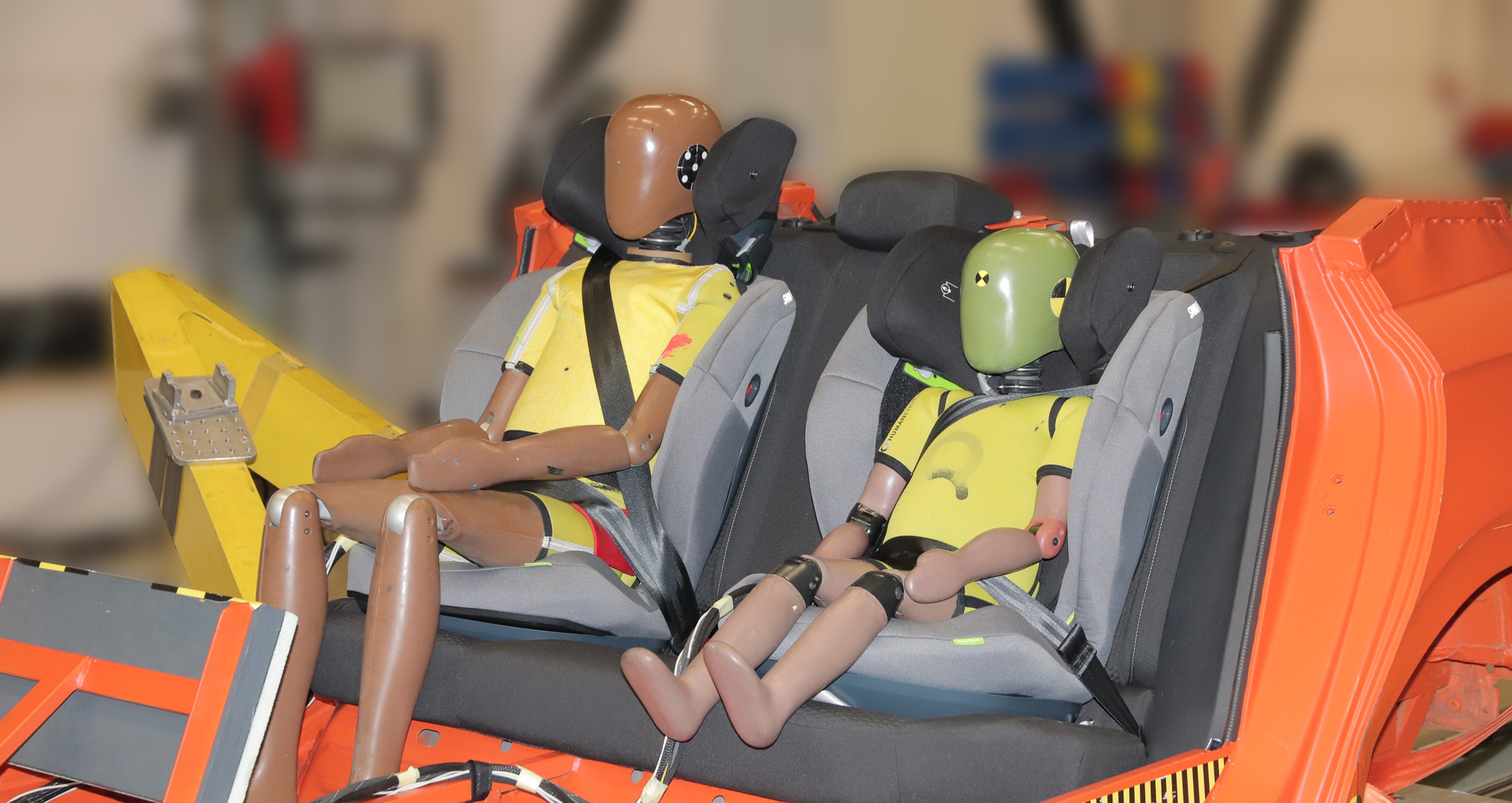
While the R129 standards provide a solid foundation for child safety, Swandoo goes further. We conduct rigorous in-house tests to ensure all of our car seats not only meet but far exceed the R129 requirements.
In addition to our own tests, independent European consumer organisations, such as ADAC, Stiftung Warentest, and others, perform comprehensive evaluations of child seats on the market. These assessments go beyond regulatory crash tests, also factoring in ergonomics, ease of use, and chemical testing. Each seat is assigned a final score, providing parents with a reliable comparison tool when choosing the best option. If you’re interested in how these tests work, check out our blog for more details.
Ready to Choose the Perfect Car Seat?
Choosing the right car seat doesn’t have to feel overwhelming. In this post, you’ve learned the key things to check:
✔️the labels to ensure the seat is properly certified,
✔️that it fits your child’s height and is compatible with your car, and
✔️the consumer ratings for additional insight into a seat’s safety performance, ergonomics, and handling.
We hope this guide has helped clear up some of the confusion and empowers you to make a confident, informed decision that gives both safety and peace of mind. After all, the goal is simple: keeping your child safe from their first ride to every family adventure that follows.
If you have any questions or need help finding the perfect child seat for your family, we’re here to help. Take a look at our range of child seats or just drop us a line at hello@swandoo.eu.
Happy car seat shopping — here’s to many safe and fun adventures ahead!





 EN
EN  DE
DE  PL
PL  ES
ES  FR
FR  IT
IT  NL
NL  CS
CS  DA
DA  NO
NO  SE
SE  FI
FI  UA
UA  RU
RU  RO
RO  BG
BG  ZH
ZH